If you are wondering whether you can really live in Kakaʻako without relying on a car every day, the short answer is yes, for the right routine. This neighborhood was built around a more walkable, urban way of life, which can be a big draw if you want to be close to errands, dining, parks, and central Honolulu. In this guide, you will get a realistic look at what car-free living in Kakaʻako actually feels like, where it works best, and what to think about before you make a move. Let’s dive in.
Why Kakaʻako Works for Car-Free Living
Kakaʻako is not just a few condo towers near shops. It is a 600-acre Hawaiʻi Community Development Authority district planned as a pedestrian-oriented urban neighborhood with housing, shopping, recreation, and commerce all mixed together.
Inside that larger district, Ward Village adds another layer of convenience. It is a 60-acre master-planned community with residences, retail, dining, art, and entertainment in one concentrated area. That setup makes it easier for you to handle daily life close to home instead of driving from place to place.
One of the strongest points in favor of car-free living is simple geography. Ward Village describes its retail area as a 4-block destination that takes about 10 minutes to walk end to end, and it sits about one mile from Downtown Honolulu, two miles from Waikīkī, and one block from Ala Moana Shopping Center.
That means many everyday trips can happen in the same general corridor. If your routine is centered on Kakaʻako, Ala Moana, and nearby parts of Honolulu, walking and short rides can cover more than you might expect.
What Daily Errands Look Like
For many people, groceries decide whether car-free living is practical. Kakaʻako performs well here because you have several nearby options instead of relying on one store.
Ward Village lists Whole Foods Market at 1001 Queen Street in Aeʻo, and it is directly connected to the tower. Down to Earth has a Kakaʻako store at 500 Keawe Street, Foodland Farms Ala Moana is nearby at 1450 Ala Moana Boulevard, and the Kakaʻako Farmers Market takes place every Saturday at 919 Ala Moana Boulevard.
That mix gives you flexibility. You can pick up a few items on foot, do a fuller grocery run nearby, or shop the farmers market for a more local weekly routine.
Dining is also part of the appeal. SALT at Our Kakaʻako describes itself as a hub for local culture, food, shopping, and events, while Ward Village has a dense concentration of cafés, restaurants, and quick-service spots.
In practical terms, you can often combine errands and leisure in one outing. A grocery stop, a coffee run, and dinner plans can all fit into the same walk without feeling like a major production.
Parks and Outdoor Time Are Close
A car-free lifestyle tends to feel easier when fresh air and open space are built into your day. In Kakaʻako, that is one of the neighborhood’s biggest strengths.
The HCDA park inventory shows 34.4 acres at Kakaʻako Waterfront Park, 6.6 acres at Kakaʻako Gateway Park, and 5.2 acres at Kewalo Basin Park. Nearby, you also have the 76-acre Ala Moana Beach Park and the 30-acre Magic Island State Park.
Altogether, that is 157.77 acres of parks in the immediate area. For you, that can translate into easier morning walks, beach time after work, and simple outdoor breaks without having to plan a drive.
This matters more than people sometimes realize. When recreation is close by, daily life feels fuller and more balanced, especially if you are choosing a condo lifestyle in exchange for less driving.
How You Get Around Without a Car
Walking Is the First Option
The best car-free experience in Kakaʻako is usually in the Ward Village, SALT, and Ala Moana core. Distances are short enough that walking often becomes the default for everyday needs.
That does not mean all of Oʻahu is walkable from your front door. It does mean your most common trips may be much simpler if you live in the right part of Kakaʻako and your weekly routine stays centered in urban Honolulu.
Biki Helps Fill the Gaps
Biking is a major part of the neighborhood’s mobility picture. Ward Village notes Biki stations across from South Shore Market, Whole Foods Market, Ward Entertainment Center, and near West of Ward.
Biki also highlights the nearby Lei of the Parks Shared-Use Bike Paths. This network links Kakaʻako Waterfront Park, Ala Moana Beach Park, Ala Wai Promenade, Kapiʻolani Park, and Diamond Head on mostly off-road paths.
If you are comfortable on a bike, that adds a lot of flexibility. A short ride can help you cover the distance between errands, waterfront parks, and nearby districts faster than walking alone.
The City and County of Honolulu has also continued adding bike and pedestrian improvements in Kakaʻako. The FY24 Complete Streets report documents Kakaʻako bikeway and curb ramp improvements on Pohukaina, Auahi, Queen, Ilalo, Cooke, and Kamakeʻe Streets.
TheBus Supports Daily Commuting
Since Skyline does not yet directly serve Kakaʻako, bus service still plays a key role. HART’s route map shows that the currently operational first 13 stations do not yet include the future Kakaʻako and Ala Moana stations.
For now, Kakaʻako is more bus-and-bike-first than rail-first. That is important if you are trying to picture your daily commute realistically.
Current stop pages for Auahi Street and Ward Avenue and for Ala Moana Boulevard and Ward Avenue show active bus service, and Route 122 is labeled via Kakaako. While routes can change over time, transit access is already in place for nearby central Honolulu trips.
What Homes Best Fit This Lifestyle
Not every condo supports a low-car routine equally well. In Kakaʻako, some buildings stand out because their location and amenities reduce the need to leave by car in the first place.
Aeʻo offers studios, one-, two-, and three-bedroom homes plus penthouses, and it is directly connected to Whole Foods. That kind of direct grocery access can make day-to-day living much easier if you prefer to walk.
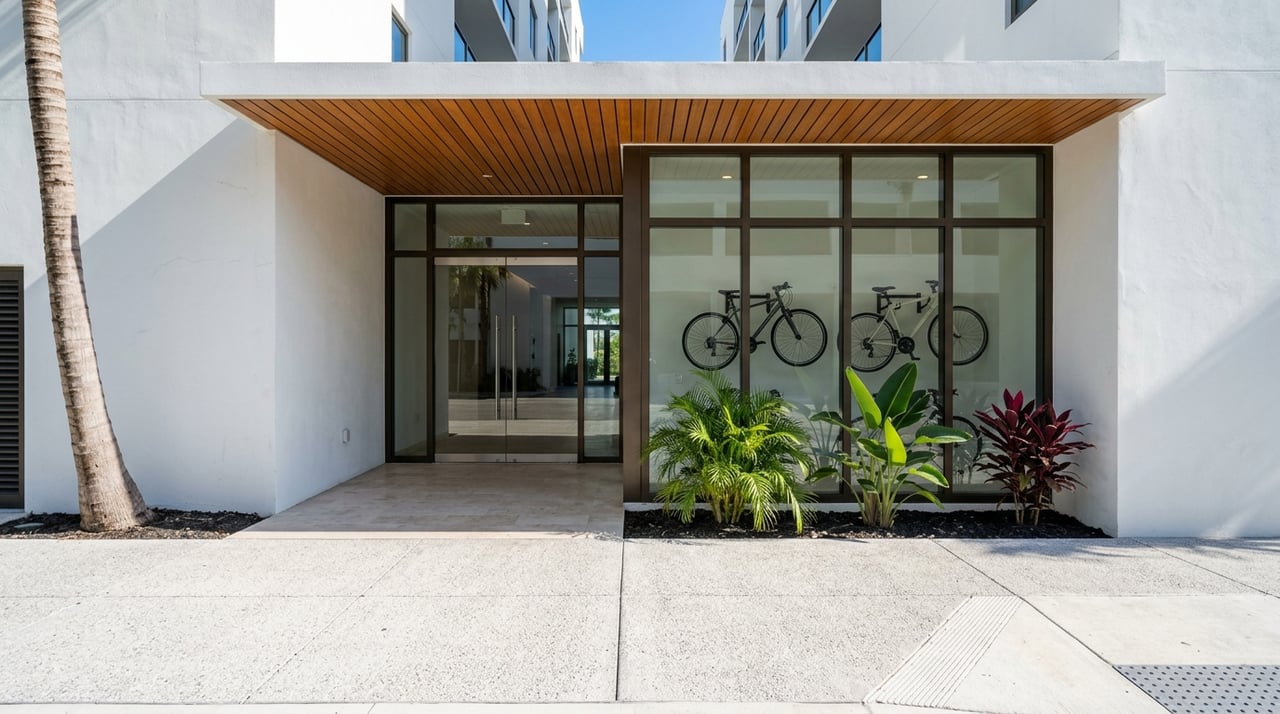
Kōʻula offers studio through three-bedroom homes with resort-style amenities and a park connection. Ke Kilohana includes one-, two-, and three-bedroom homes with bike and surfboard storage, flex-work space, a dog run, and indoor and outdoor children’s play areas.
Ulana adds studios through three-bedroom homes, along with co-working spaces, surfboard racks, and a dog park. These kinds of features matter because they support a more self-contained lifestyle.
If your building gives you bike storage, work-from-home space, and easy access to groceries or parks, you may find yourself driving far less. In many cases, the building functions like part of the neighborhood’s mobility system.
Who Car-Free Living May Suit Best
Car-free or car-light living in Kakaʻako tends to work best for people whose routines stay close to central Honolulu. That can include singles, couples, remote workers, downsizers, and mainland relocators who want an urban lifestyle with daily conveniences nearby.
It may be less seamless if your schedule regularly pulls you to other parts of the island. If you often commute to windward or leeward Oʻahu, or simply want suburban-style flexibility, you may still prefer having at least one car.
That does not mean Kakaʻako is the wrong fit. It simply means the neighborhood works best when your lifestyle matches what it is designed to do well: compact, connected, urban daily living.
A Realistic Way to Think About It
The biggest mistake people make is assuming car-free living means never needing transportation beyond walking. In Kakaʻako, a more realistic expectation is car-light living with strong walkability, plus Biki and TheBus to round out your routine.
If you want to step out for groceries, coffee, parks, beach time, and many nearby appointments without automatically reaching for your keys, Kakaʻako offers one of Oʻahu’s clearest opportunities to do that. The convenience is real, but it depends on where you live, where you work, and how you prefer to move through the week.
If you are exploring condos in Kakaʻako and want help matching the neighborhood to your lifestyle, schedule a consultation with Fran Magbual. She can help you compare buildings, locations, and daily-living fit so you can buy with confidence.
FAQs
Is Kakaʻako a walkable neighborhood for daily errands?
- Yes. Kakaʻako’s Ward Village core is described as a 4-block destination that takes about 10 minutes to walk end to end, and the area includes nearby grocery, dining, and shopping options.
Can you live in Kakaʻako without a car in 2026?
- Yes, many residents can manage a car-light lifestyle, but current transportation is more bus-and-bike-first because Skyline does not yet directly serve Kakaʻako.
What grocery options are available in Kakaʻako without driving?
- Nearby options include Whole Foods Market at 1001 Queen Street, Down to Earth at 500 Keawe Street, Foodland Farms Ala Moana at 1450 Ala Moana Boulevard, and the Kakaʻako Farmers Market at 919 Ala Moana Boulevard on Saturdays.
How do residents get around Kakaʻako without a car?
- Many residents rely on walking for short trips, Biki for quick rides, and TheBus for commuting and connections to nearby central Honolulu destinations.
Which Kakaʻako condos support a car-light lifestyle best?
- Buildings such as Aeʻo, Kōʻula, Ke Kilohana, and Ulana stand out because of features like grocery access, bike storage, co-working areas, park connections, and other convenience-focused amenities.