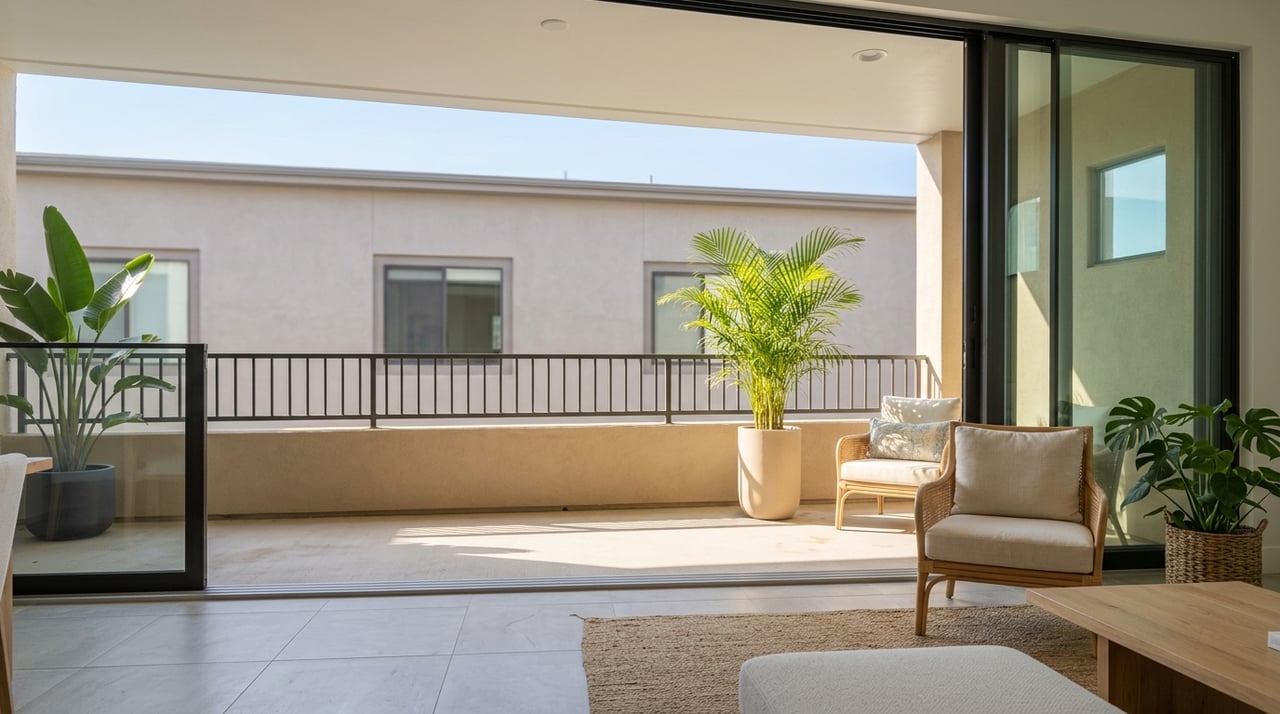
Trying to choose between a condo and a house on Oahu? You are not alone. For many buyers, the decision comes down to more than price, because ownership rules, monthly costs, insurance, privacy, and future flexibility can look very different from one property type to the next. If you want a clearer way to compare your options in Honolulu County, this guide will help you sort through the trade-offs and move forward with confidence. Let’s dive in.
Start With Ownership Structure
On Oahu, a condo is a legal ownership structure, not just a building type. According to the Hawaii Department of Commerce and Consumer Affairs, condominiums can include high-rise units, townhomes, and even some single-family style homes, all governed by an association of unit owners.
That means the word "townhome" does not automatically tell you how the property is owned or managed. A townhome could be part of a condo regime, or it could sit in a different legal structure with different rules. If you are comparing properties, the declaration, bylaws, and house rules matter more than the label in the listing.
A house also does not always mean total freedom. Some single-family homes are part of planned communities with dues and restrictions, so if you want control over exterior changes, yard use, or long-term customization, it is important to confirm exactly what oversight applies before you buy.
Compare Oahu Price Points
For many buyers, the first big difference is cost. As of April 2026, the median resale price on Oahu was $1,150,000 for single-family homes and $500,000 for condominiums, based on Honolulu Board of Realtors data.
That price gap is a major reason many buyers start with condos or townhome-style properties. It can create a more accessible path into homeownership, especially if you want to stay closer to urban Honolulu or keep your initial purchase price lower.
At the same time, lower purchase price does not always mean lower total monthly cost. Mortgage rates, condo insurance, and overall affordability have all been influencing buyer behavior, so it is smart to compare the full monthly picture, not just the list price.
Look Beyond the Mortgage Payment
Association dues are one of the biggest factors that can change the math. In a condo, those dues are not optional, and they are designed to help cover long-term repair and replacement costs for common components.
The DCCA explains that reserve studies help associations plan for expenses like roofs, elevators, plumbing, windows, driveways, and water or waste systems. That means your monthly dues may support real maintenance needs, not just amenities.
Low dues are not always a win. If reserves are too thin, owners may face future special assessments when major repairs come up, so it is worth asking not just how much the dues are, but whether the association appears financially prepared.
Understand Insurance Differences
Insurance is another area where condos and houses can feel very different. In Hawaii, standard homeowners policies generally do not cover flood, hurricane, or earthquake losses.
For condos, the association typically carries property insurance, liability coverage, fidelity bonding, and directors-and-officers coverage. If the project is in a special flood hazard area, flood insurance is required for the project.
That does not mean you are fully covered as an individual owner. You may still need your own policy for items the association policy does not cover, including improvements inside the unit and your personal belongings.
With a house, you are usually handling more of the property insurance responsibility directly. When you compare a condo to a house on Oahu, this is one of the most important early budget checks to make.
Think About Daily Lifestyle
A house often gives you more privacy, yard space, storage, and room to customize. If you want more separation from neighbors or you picture spending time outdoors on your own property, that can be a meaningful advantage.
A condo or townhome often offers a different kind of convenience. Shared maintenance can mean less day-to-day upkeep, which appeals to busy professionals, frequent travelers, relocators, and buyers who prefer a more lock-and-leave lifestyle.
The right fit depends on how you want to live, not just what you want to own. If your priority is convenience and a simpler maintenance routine, a condo may feel easier. If your priority is space and control, a house may make more sense.
Read the Rules Before You Fall in Love
This step matters more on Oahu than many buyers expect. Association documents can affect pets, guest parking, common-area use, commercial use, and other everyday decisions.
That is why it is so important to review the governing documents before assuming a property matches your lifestyle. A home that looks perfect in photos may come with rules that change how you can actually use it.
If you are deciding between a condo and a house, ask the same practical questions for both. Can you make exterior changes? Are there usage restrictions? What approvals are required? Clear answers upfront can save you frustration later.
Consider Your Long-Term Flexibility
Your best choice today should still work for your next chapter. If you think you may want more rental flexibility, additional living space, or future expansion, those plans should be part of your decision now.
Honolulu rules add an important layer here. The city says accessory dwelling units cannot be sold separately, and ohana units cannot be separately registered as condominiums. If future use matters to you, it is smart to verify county rules before choosing a property type.
Views also deserve their own due diligence. The DCCA warns that views are not guaranteed unless there is a view-preservation agreement, so if an ocean, mountain, or city view is a major reason you are buying, make sure you verify whether that view is actually protected.
What Oahu Submarkets Show
Where you want to live can shape the condo-versus-house decision just as much as your budget. Across Honolulu County, the price spread between property types changes by area.
West Oahu Price Gap
West Oahu often shows one of the clearest differences between condos and houses. In a March 2023 Honolulu Board of Realtors market snapshot, Kapolei had a median single-family sale price of $945,000 compared with $468,500 for condos.
That spread helps explain why many buyers in Kapolei, Makakilo, Waipahu, and nearby areas begin with condos or townhome-style options. More recent reports also showed condo inventory gains in Makakilo and Waipahu in October 2025, while pending single-family sales were strong in Ewa Plain in May 2025.
Central Oahu Spread
Central Oahu also shows a wide range between property types. In the same March 2023 snapshot, the Mililani Area had a median single-family sale price of $969,000 versus $621,000 for condos, while Mililani Mauka condos had a median of $445,000.
For buyers who want to stay in Central Oahu but need a lower entry point, condos can open more options. Market activity also showed pending condo sales up 33.3% in Central Oahu in May 2025.
Urban Honolulu Trade-Off
Urban Honolulu tends to carry a premium for location, amenities, and high-rise living. In the March 2023 market snapshot, the Metro region posted a median of $1,300,000 for single-family homes and $490,900 for condos, while Kakaako condos had a median of $894,000.
That helps explain why many buyers in the urban core prioritize walkability, building amenities, and location over yard size. If your day-to-day lifestyle centers on being close to town, a condo may offer the trade-off you are looking for.
A Simple Way to Decide
If you are still torn, it helps to frame the choice around your priorities. In most cases, you are balancing control and private space against convenience and shared maintenance.
Here is a simple way to think about it:
- Choose a house if you want more privacy, more outdoor space, more storage, and greater flexibility to customize.
- Choose a condo or condo-style townhome if you want a lower entry price, less exterior maintenance, and access to amenities or urban locations.
- Look carefully at the legal documents if you are considering a townhome, because the label alone does not tell you the ownership structure.
- Compare the full monthly cost, including mortgage, dues, insurance, and possible reserve or assessment risk.
- Match the property to your future plans, including parking, pets, views, commuting needs, and possible ADU or ohana goals.
Questions to Ask Before You Tour
Before you get too far into the search, make sure you are asking the right questions. This can help you avoid surprises and narrow your options faster.
Use this checklist as you tour properties on Oahu:
- Confirm whether the property is a fee-simple house, a planned community with an HOA, or a condo or townhome under an association of unit owners.
- Ask for the declaration, bylaws, house rules, and any recent amendments.
- Request the budget, reserve study, insurance policies, financial statements, and recent meeting minutes.
- Ask what the monthly dues cover and whether there is a history of special assessments.
- Check how current the reserve study is.
- Verify how the property fits your plans for pets, parking, yard use, commuting, views, or future flexibility.
- Re-check insurance costs early so you understand the difference between personal coverage needs and any association master policy.
The Best Choice Is the One That Fits You
There is no one-size-fits-all answer to the condo-or-house question on Oahu. The better option is the one that fits your budget, your daily routine, and your long-term plans with the fewest surprises.
For some buyers, that means starting with a condo in a convenient location and building equity over time. For others, it means stretching for a house now because the extra space, privacy, and flexibility matter more than shared-maintenance living.
If you want help comparing neighborhoods, ownership structures, and real monthly costs across West Oahu, Central Oahu, or Honolulu, Fran Magbual can help you sort through the details and make a confident move.
FAQs
What is the difference between a condo and a townhome on Oahu?
- On Oahu, a condo is a legal ownership structure, and it can include high-rises, townhomes, and even some single-family style homes. A townhome label alone does not tell you whether the property is part of a condo regime or another legal structure.
Is buying a house in Honolulu County always better than buying a condo?
- Not necessarily. A house usually offers more privacy, yard space, and flexibility, while a condo can offer a lower entry price and less exterior maintenance. The better choice depends on your budget, lifestyle, and long-term goals.
Are condo fees on Oahu worth it?
- They can be, depending on what they cover and how well the association is funded. Regular dues may support maintenance and long-term reserves for common elements, but low dues can also signal a higher risk of future special assessments.
What should I review before buying a condo in Honolulu County?
- Review the declaration, bylaws, house rules, budget, reserve study, insurance policies, financial statements, and recent meeting minutes. These documents can affect your monthly costs, property use, and future repair exposure.
Do Oahu condos guarantee ocean or mountain views?
- No. According to DCCA guidance, views are not guaranteed unless there is a view-preservation agreement, so buyers should verify that separately during due diligence.
How do Oahu condo and house prices compare?
- As of April 2026, the Oahu median resale price was $1,150,000 for single-family homes and $500,000 for condominiums. The gap can be even more noticeable in areas like Kapolei, Mililani, and Urban Honolulu.