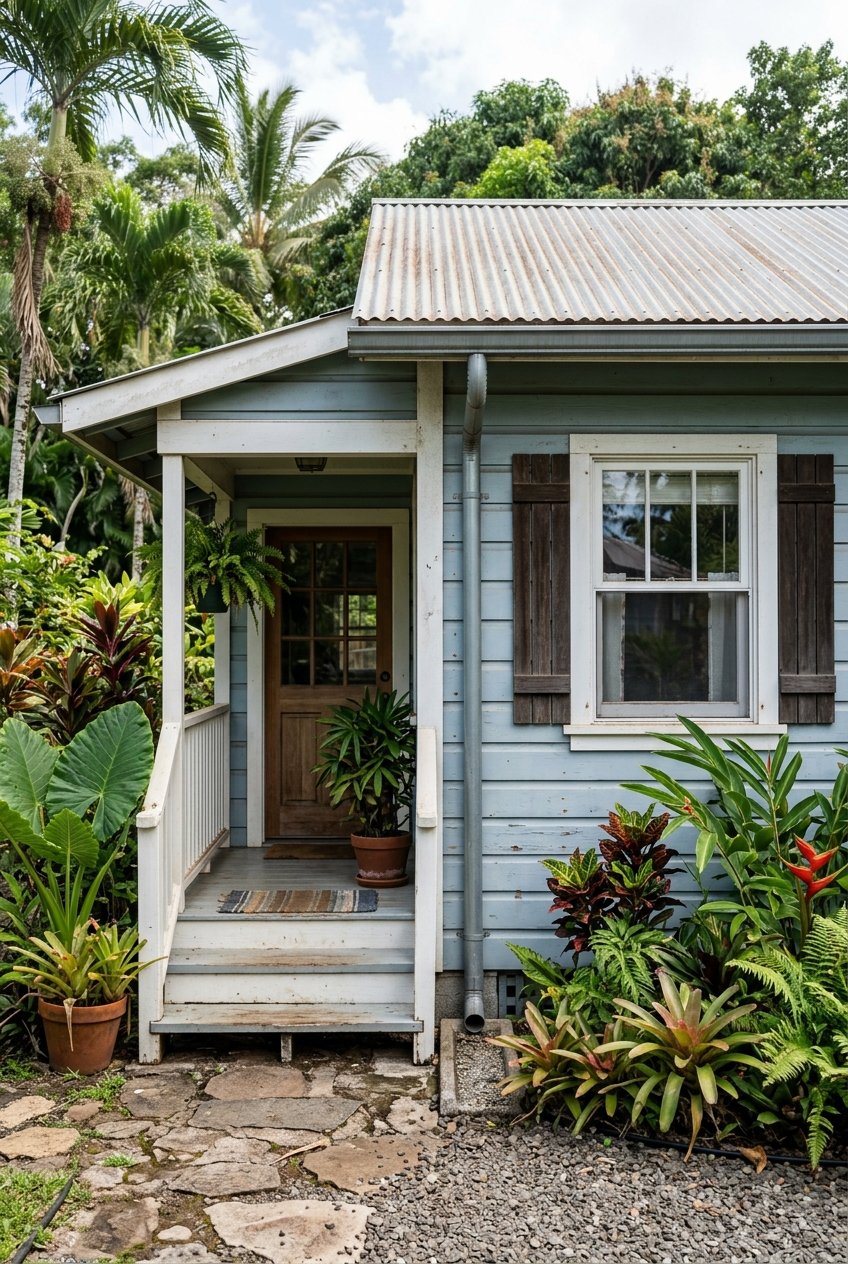
Buying your first home in Waipahu can feel exciting and a little intense at the same time. You want a home that fits your budget, your daily routine, and your long-term plans, but the market can move quickly and the options can vary a lot from one block to the next. The good news is that with the right preparation, you can shop smarter and avoid surprises. Let’s dive in.
Why Waipahu draws first-time buyers
Waipahu gives first-time buyers a mix of housing options in a compact Central Oahu location. The area had 43,485 residents in the 2020 Census and covers just 2.68 square miles of land, which helps explain why you will see a denser mix of home types than in a purely single-family suburb.
That mix matters when you are starting your search. Census data shows a 59.7% owner-occupied housing unit rate for 2020 to 2024, which points to a market with both owners and renters. In practical terms, you should expect to compare condos, townhomes, and detached homes rather than focusing on just one type of property.
Waipahu also has a long history that still shapes today’s housing stock. The Waipahu Community Association describes old Waipahu as a former sugar plantation town, and H-1 separates older and newer sections. That helps explain why home age, condition, and upgrades can differ noticeably even within a short drive.
What the Waipahu market looks like
If you are hoping for a first home that is more attainable than some nearby Oahu areas, Waipahu deserves a close look. Zillow reported 97 homes for sale in Waipahu, a median sale price of $667,500, and 17 median days to pending as of late April and late March 2026.
Compared with nearby markets, Waipahu’s median sale price was lower in March 2026 than Mililani, Ewa Beach, and Kapolei. Zillow’s figures showed Waipahu at $667,500, Mililani at $685,207, Ewa Beach at $752,460, and Kapolei at $749,000. That puts Waipahu about 2.7% below Mililani and about 12% below Ewa Beach and Kapolei.
Still, lower price does not always mean slower pace. Waipahu’s median days to pending was 17, compared with 18 in Mililani, 18 in Ewa Beach, and 32 in Kapolei. For you, that means a good home can move fast, so being financially ready before you tour is a smart move.
Start with financing before touring
One of the biggest mistakes first-time buyers make is shopping for homes before they know their real budget. In Waipahu, where homes can go pending quickly, pre-approval can help you focus your search and act with more confidence.
Several financing paths may be worth comparing, depending on your situation:
- VA loans can be a strong option for eligible buyers. The VA says nearly 90% of VA-backed loans are made with no down payment.
- FHA loans require a borrower minimum investment of at least 3.5% of the adjusted property value under the current FHA handbook.
- Conventional low-down-payment options may also help. Fannie Mae’s HomeReady mortgage allows down payments as low as 3%, accepts gifts and eligible grants, and is designed for principal-residence buyers who meet income limits and have a minimum 620 credit score.
- USDA loans are another no-money-down option for eligible rural properties and qualified borrowers, but eligibility depends on both the property and income, so it is something to confirm with your lender rather than assume.
For Hawaii buyers, there is also a state-specific path to look at. The Hawaiʻi Housing Finance and Development Corporation’s Hale Kamaʻāina Mortgage Program is aimed at first-time homebuyers and offers competitive fixed-rate 30-year financing with optional down payment assistance.
HHFDC says the program currently has $30 million available. It also states that eligible borrowers generally must not have owned a primary residence in the past three years. The basic process includes contacting a participating lender, completing required homebuyer education through a HUD-certified counseling agency, searching for an eligible home with a licensed real estate agent, submitting an offer, and closing once funds are reserved and documents are complete.
Think beyond the sale price
For a first home, affordability is more than the number you see on the listing. Your real monthly cost may also include HOA dues, insurance, maintenance, and possible future repairs.
That is especially important in Waipahu because attached homes are a meaningful part of the market. If you are comparing a condo or townhouse against a single-family home, look at the full monthly picture, not just the mortgage payment.
A practical starting point is to set a monthly payment cap before you shop. Then build that number using principal, interest, taxes, insurance, and if needed, HOA dues. This approach can help you avoid falling in love with a home that feels affordable at first glance but stretches your budget later.
Condos and townhomes need extra review
Because attached housing is common in Waipahu, HOA due diligence should be part of your search from day one. It is not something to push to the very end.
Under Hawaii law, when residential real property is subject to a recorded declaration, the seller must provide the association’s articles, bylaws, declaration, and relevant rules. After the buyer and seller receive a current title report, those documents are due, and once you receive them, you have 15 calendar days to review them and, if you choose, rescind.
That review window matters, but it works best when you ask for information early. The Hawaii Department of Commerce and Consumer Affairs condominium buyer handout says buyers should ask for items such as:
- Current board minutes
- Financial statements
- Current and proposed budgets
- House rules
- Declaration and amendments
- Insurance summary
- Prior annual meeting minutes
- Reserve study or reserve summary
- Condominium public report
- Condominium map or file plan
- Lease-conversion documents where relevant
These documents can reveal issues that affect your future costs and comfort. According to DCCA guidance, they may show continuing project problems, litigation, financial deficits, fee increases, pet restrictions, parking restrictions, insurance gaps, and whether reserves are strong enough to reduce the risk of special assessments.
Why reserves and dues matter
It is easy to treat HOA dues like just another line item, but they deserve a closer look. Hawaii condominium law requires the annual budget to summarize revenues and expenses, state whether it uses a cash or accrual basis, show reserve balances, and show reserve-study-based assessments.
The reserve study must also be reviewed by an independent reserve study preparer at least every three years. For you, that means dues can offer clues about the financial health of the project. A low monthly fee may look attractive, but if reserves are weak or major work is coming, your costs could rise later.
The DCCA handout also points buyers to practical concerns like major capital expenditures, insurance concerns, and maintenance issues. This is one reason first-time buyers should read the full package together instead of relying on one summary page.
Older homes may need deeper questions
Waipahu’s history gives it character, but it also means some properties may have older systems or past modifications. Since the historic core grew from plantation-era development, it is reasonable to ask more detailed questions when you tour.
For example, you may want to ask about:
- Roof age
- Plumbing condition
- Drainage issues
- Electrical upgrades
- Permit history for additions
- Enclosed lanais or other modifications
- Wastewater system type
These questions are not about assuming there is a problem. They are about understanding what you are buying and what future costs may come with it.
Termites and moisture are real concerns
In Hawaii, termite and moisture issues deserve serious attention, especially for first-time buyers who may not know what to watch for yet. Hawaii’s official termite inspection report is based only on a visual inspection of accessible areas. The form clearly states that it is not a guarantee that termites are absent or that the structure is sound.
The same report warns that concealed areas may not be inspectable. It also lists common conditions that can contribute to infestation, including earth-to-wood contact, leaking roofs or roof damage, wood debris in crawl spaces, and excessive moisture or water exposure.
University of Hawaiʻi CTAHR materials reinforce that Hawaii’s climate supports termite activity. In day-to-day terms, that means signs like leaks, soft wood, peeling paint, swollen trim, or damp crawl-space conditions should not be brushed off as minor cosmetic issues.
If you are buying a single-family home, order both a general home inspection and a termite inspection. If you are buying an attached home, still pay close attention to any signs of water intrusion, deferred maintenance, or repair patterns mentioned in HOA records.
Check wastewater status on older properties
Another issue worth checking on older homes is whether the property uses a cesspool. The Hawaii Department of Health says all cesspools must be upgraded, converted, or closed by January 1, 2050. EPA guidance also notes that new cesspools are prohibited.
For a first-time buyer, this is not just a technical detail. It can affect future costs and planning. If a property still uses a cesspool, ask early so you understand what that could mean down the road.
A smart first-home plan in Waipahu
When you are buying your first home, a clear step-by-step plan can lower stress and help you make better choices. In Waipahu, where pricing, property types, and condition can vary widely, structure matters.
A practical path looks like this:
- Get pre-approved before you start touring.
- Choose your target property type, such as condo, townhome, or single-family home.
- Set a monthly payment cap that includes HOA dues and insurance.
- Compare Waipahu with nearby areas using recent sale prices and days to pending, not just list prices.
- Request HOA documents early for attached homes.
- Order inspections and ask direct questions about leaks, drainage, repairs, and wastewater systems.
- Leave room in your budget for education classes, document collection, and closing steps if your loan program requires them.
This kind of planning does not take the emotion out of buying. It just gives you a stronger framework so you can move quickly when the right home comes up.
Why guidance matters for first-time buyers
A first purchase usually comes with a lot of moving parts. You may be comparing loan programs, trying to judge whether a monthly payment feels comfortable, and sorting through inspection details or HOA paperwork you have never seen before.
That is where organized guidance can make a big difference. A high-touch, detail-focused approach can help you stay on track, understand the tradeoffs between properties, and make decisions with fewer surprises.
In Waipahu, the best first home is not always the one with the lowest sticker price. Often, it is the home that matches your budget, has manageable long-term costs, and fits the pace and structure of your life.
If you are thinking about buying your first home in Waipahu, working with Fran Magbual can give you the local insight and responsive support you need to move forward with confidence.
FAQs
What should first-time buyers know about Waipahu home prices?
- Waipahu’s median sale price was $667,500 in March 2026, which was lower than Mililani, Ewa Beach, and Kapolei based on Zillow figures, but homes were still moving quickly with a median 17 days to pending.
What property types can first-time buyers expect in Waipahu?
- First-time buyers in Waipahu should expect a mix of condos, townhomes, and single-family homes rather than only detached houses.
What financing options should first-time buyers compare in Waipahu?
- First-time buyers in Waipahu may compare VA, FHA, conventional low-down-payment programs like HomeReady, USDA where eligible, and Hawaii’s HHFDC Hale Kamaʻāina Mortgage Program.
What should condo buyers review before buying in Waipahu?
- Condo buyers in Waipahu should review board minutes, financial statements, budgets, reserve studies, insurance summaries, house rules, and governing documents to better understand fees, restrictions, and potential future costs.
Why are HOA reserves important for Waipahu buyers?
- HOA reserves matter because they can signal whether a project is financially prepared for future repairs, which may affect dues increases or the risk of special assessments.
What inspection issues should first-time buyers watch for in Waipahu?
- First-time buyers in Waipahu should pay close attention to termite risk, moisture problems, leaks, soft wood, drainage concerns, and signs of older system issues like roofing, plumbing, or electrical upgrades.
Should first-time buyers ask about cesspools in Waipahu?
- Yes, first-time buyers should ask whether an older Waipahu property uses a cesspool because the Hawaii Department of Health says cesspools must be upgraded, converted, or closed by January 1, 2050.