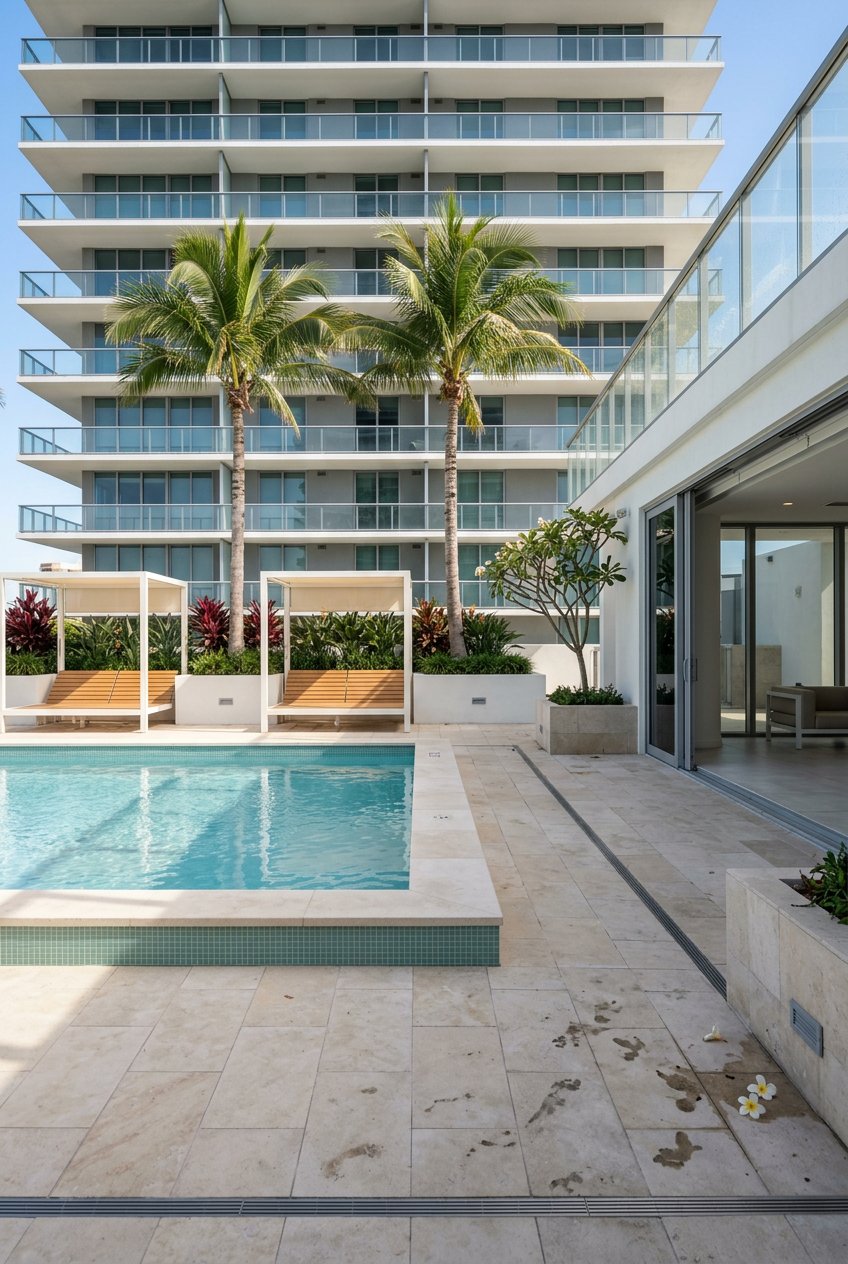
Thinking about a condo in Kakaʻako but unsure how to compare buildings, fees, and amenities? You are not alone. With resort-style towers, wide-ranging AOAO costs, and different rules from building to building, it can be hard to line up apples-to-apples. This guide gives you a simple framework to evaluate condos in Ward Village and the wider Kakaʻako area so you can choose with confidence. Let’s dive in.
Kakaʻako at a glance
Kakaʻako is Honolulu’s modern urban district with new high-rises, parks, and retail. A major portion, Ward Village, is a 60-acre master plan by The Howard Hughes Corporation with several completed and planned luxury towers. Ward Village is known for curated public spaces and strong branding, which often supports premium pricing and demand as detailed in Howard Hughes corporate updates.
Right next door, Our Kakaʻako includes a mix of market and workforce housing led by Kamehameha Schools. Product types, finishes, and amenity levels can vary more across these projects compared to Ward Village’s consistent luxury emphasis. When you say you want Kakaʻako, it helps to clarify whether you mean Ward Village specifically or the broader neighborhood.
Why this matters for you
- Developer reputation and a cohesive master plan can support values over time, but every building still deserves its own review.
- Most newer Kakaʻako towers are fee simple, which is simpler for financing and resale. Some older buildings on Oʻahu can be leasehold, which changes the math. Always confirm land tenure for each listing.
Amenities and what they really cost
Many Kakaʻako towers feel like resorts. Think pools and spas, full fitness centers, private dining rooms, theaters, guest suites, concierge, and dog runs. At the ultra-luxury end, buildings like Waiea include concierge and valet along with high-touch leisure spaces, which is why owners typically see higher monthly AOAO costs alongside premium finishes as shown in Waiea’s amenity overview.
Those services are not free. Staffing, insurance, and utilities are the biggest drivers of AOAO budgets. Fees can swing your monthly payment far more than you expect, so normalize them every time. A good rule is to calculate fee per square foot and add it to your mortgage and taxes to find your true monthly cost. Recent snapshots show Oʻahu condo fees commonly range from about $500 to $1,200 per month, with luxury high-amenity towers often running $1,200 to $1,800 or more based on this Oʻahu fee guide.
Amenity checklist you can use today
- Frequency vs value: List the top 5 amenities you will use monthly. If you would rarely use guest suites or private dining rooms, treat their cost as a possible tradeoff.
- Unique vs duplicated: Count neighborhood features once. Ward Village parks, Central Plaza events, and retail can overlap with building amenities. Do not double count the value when comparing towers.
- Access and rules: Ask if amenities are owner-only or shared, and whether reservations are needed. Convenience matters.
- Pets and storage: Confirm dog runs, wash stations, bike and surfboard rooms, and how they are accessed.
AOAO fees, reserves, and governance
Not all AOAO fees cover the same things. In Hawaii, fees often include common area maintenance, water and sewer, master insurance, management, security, landscaping, and amenity operations. What is included varies by building, so read the AOAO budget and house rules carefully using the state’s condo FAQ as a guide.
Healthy reserves matter. Ask for the most recent reserve study and percent-funded figure. Steady reserve contributions lower the risk of special assessments. Very low funding or no recent study is a red flag and aligns with reserve study best practices.
Insurance is a special focus in Hawaii. After recent catastrophes, some condos have seen sharp premium hikes or coverage limits that strain budgets. Before you buy, request the AOAO insurance certificate that shows building coverage, hurricane and flood layers, and deductibles. Underinsurance can affect both fees and financing options as summarized in this Honolulu condo insurance overview.
Governance also matters. Review the last year of board minutes, management reports, and any special assessment votes. Buildings with clear, regular communication usually signal lower risk and better oversight consistent with the state’s condo guidance.
Parking, storage, pets, and rentals
Parking in Kakaʻako can be deeded, assigned, or valet only. The difference affects value and transferability. Ask whether stalls and storage are deeded with the unit or assigned by license. Confirm the legal description in the condo declaration and map.
Pet rules vary. Hawaii law allows associations to set reasonable restrictions in bylaws and house rules, and also provides certain protections for existing pet owners and assistance animals. Review the building’s bylaws for weight or number limits, leash rules, and service animal procedures under HRS 514B.
Short-term rentals are heavily regulated. Many Kakaʻako buildings ban STRs in their governing documents. On top of that, county rules limit STRs to specific resort areas or require specific registrations. Always verify both the AOAO policy and City and County of Honolulu DPP rules before assuming rental income is possible using this STR rules summary as a starting point.
Fee simple vs leasehold
In fee simple, you own the unit and the land interest, which is generally easier to finance and resell. In leasehold, you own a lease that expires at a set date, and you pay lease rent based on the lease terms. The remaining lease years, rent resets, and renewal options drive value and lender appetite as described in Fannie Mae’s leasehold guidance.
Documents to request right away if leasehold
- Full ground lease and all amendments.
- Lease rent schedule and escalation formula.
- Renewal or extension provisions and timelines.
- Surrender and end-of-term clauses.
- Any purchase or assignment rights that affect owners.
- Payment history and notices, if any.
- Title documents that show the leased fee owner and recorded rights.
If the remaining lease term is short, expect fewer financing options and a different resale profile. If the term is long and lender requirements are met, leasehold can function similarly to fee simple during your hold period. Always quantify the unexpired term before you write an offer.
Pricing and lifestyle tradeoffs
Kakaʻako pricing reflects new construction, location, and amenities. Neighborhood snapshots often show median listings in the high 700s to 900s, with Ward Village products frequently reaching around or above $1,000 per square foot. Check current neighborhood data for context in the Kakaʻako overview.
If you compare to West or Central Oʻahu, you will usually find lower density and larger floor plans for a similar price. Many townhomes and single-family homes in areas like Kapolei list in the roughly $600,000 to $900,000 range depending on product and lot, often at a lower price per square foot as seen in Kapolei market snapshots. The tradeoff is commute and a different amenity mix. Kakaʻako gives you a walkable, urban lifestyle and low exterior maintenance, while suburban options give you more space and parking.
A quick worksheet to compare buildings
Use these simple metrics to line up options:
- HOA fee per square foot: monthly AOAO fee ÷ interior square feet.
- Effective monthly cost: mortgage principal and interest + monthly taxes + AOAO fee + estimated HO-6 premium.
- Reserve cash per unit: AOAO reserve balance ÷ number of units.
- Insurance check: compare the AOAO master policy limit to the building’s estimated replacement cost. If coverage is far below full replacement, flag for risk.
What to request from the start
- Current AOAO budget, recent financials, reserve balance, and delinquency report per state condo best practices.
- Latest reserve study and percent-funded status per reserve study guidance.
- AOAO insurance certificate, including hurricane and flood layers based on current market context.
- Board minutes for the last 12 months and any special assessment notices.
- Condo declaration, bylaws, and house rules for pet, rental, and renovation rules see the state FAQ.
- Rental policy in writing, plus any STR registrations or city clearances if relevant start with this STR overview.
- If leasehold applies, the full ground lease set and all related exhibits per lender guidance.
How I help you evaluate Kakaʻako
Choosing the right Kakaʻako condo comes down to fit, numbers, and rules. You deserve clear answers on fees, reserves, insurance, parking, pets, and rental options, plus a realistic monthly cost. I combine a concierge approach with organized due diligence so you can compare buildings side by side and make a confident choice in Ward Village or the wider Kakaʻako area.
Ready to tour or want a comparison worksheet for your top buildings? Reach out to Fran Magbual to schedule a consult.
FAQs
What makes Ward Village different from other Kakaʻako buildings?
- Ward Village is a large master-planned district with curated parks and retail, which often supports premium pricing and consistent amenities per Howard Hughes disclosures.
How high are typical AOAO fees in Kakaʻako luxury towers?
- Oʻahu fees often range from about $500 to $1,200 monthly, while luxury towers with concierge-level amenities can run $1,200 to $1,800 or more per this Oʻahu fee guide.
Can I run a short-term rental in a Kakaʻako condo?
- Many buildings prohibit STRs in their bylaws, and county rules limit STRs to specific zones or require registration, so verify both AOAO policy and city requirements using this overview.
What AOAO documents should I review before I make an offer?
- Ask for the current budget, recent financials, reserve study, insurance certificate, board minutes, bylaws and house rules, and any special assessment notices per the state condo FAQ.
How do I evaluate condo insurance risk in Honolulu?
- Review the AOAO master policy, hurricane and flood layers, coverage limits versus replacement cost, and deductibles since market stress has raised premiums and affected coverage in recent years as summarized here.
Is buying a leasehold condo in Honolulu a bad idea?
- Leasehold can work if the remaining term is long and lender requirements are met, but short terms reduce financing options and resale demand, so review the ground lease and lender criteria early per Fannie Mae’s guidance.