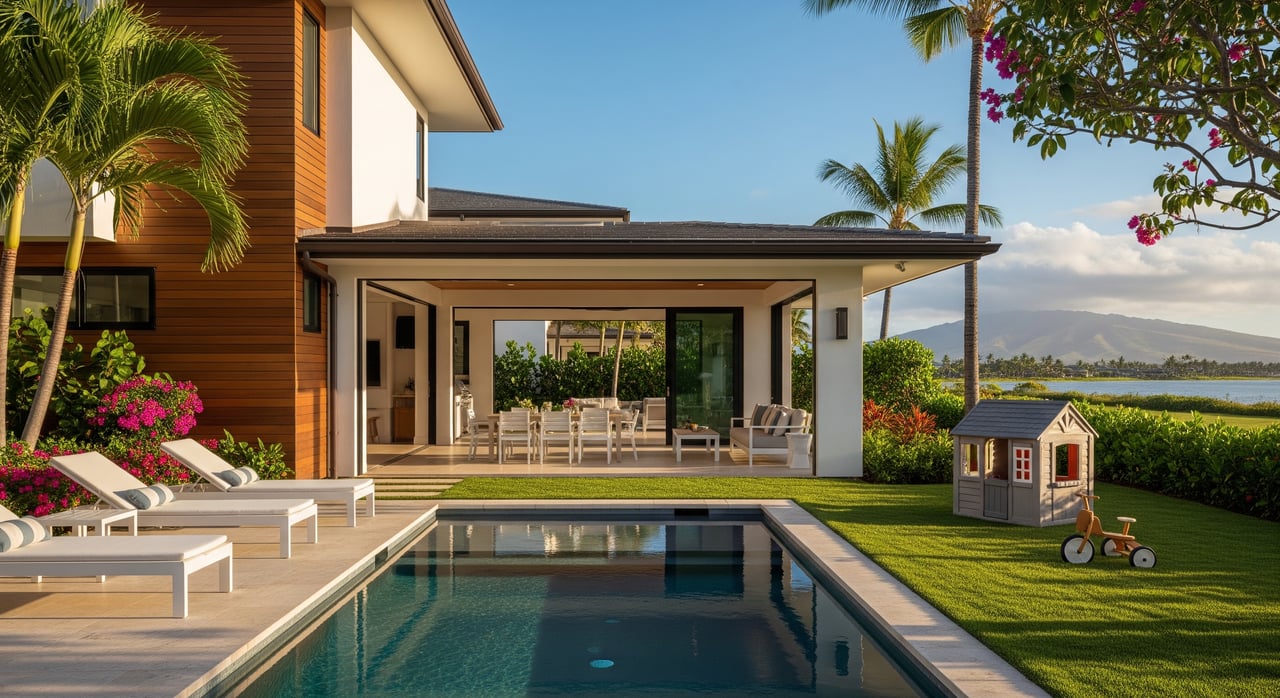
Wondering what day-to-day family life feels like in Kapolei? If you want more space, newer homes, and easy access to parks, beaches, and shopping while staying on Oʻahu, this “second city” is worth a close look. In this guide, you’ll get a clear sense of homes and neighborhoods, school options, weekend fun, daily errands, health care, and commuting. Let’s dive in.
Everyday life in Kapolei
Kapolei is a planned suburban community on Oʻahu’s leeward side with a growing town center and master-planned neighborhoods. Streets are wider, homes are newer, and you’ll see parks and schools woven into residential areas. Compared to older parts of urban Honolulu, you’ll often find more single-family lots and usable yards. The nearby University of Hawaiʻi – West Oʻahu adds to the area’s educational programming and community feel.
Homes and neighborhoods
You’ll find a range of housing types, including newer single-family homes, townhomes, and condos built within master-planned subdivisions. Many buyers choose Kapolei for the balance of space, newer construction, and neighborhood amenities. Rental options are also available, and inventory changes frequently. If yard space matters to you, Kapolei often offers more compared to older Honolulu neighborhoods with smaller lots.
When comparing options, focus on your daily routine. Think about proximity to your preferred school, commute routes, and favorite parks or beaches. Since pricing and availability can shift quickly, plan to review current local market data and tour neighborhoods at different times of day.
Schools and childcare
Kapolei is served by the Hawaiʻi State Department of Education (HIDOE), with multiple public elementary, middle, and high schools in West Oʻahu. School boundaries and enrollment status can change, so use the Hawaiʻi State Department of Education site to confirm the latest boundary maps and school info. Families also consider private and charter options, including Island Pacific Academy, a notable independent K–12 school in West Oʻahu.
For childcare, expect a mix of licensed centers and in-home providers. Capacity can be tight, especially for infant care and popular after-school programs. Plan ahead by contacting providers early, asking about waitlists and schedules, and confirming transportation options like school buses or drop-off logistics.
Tips for school planning:
- Check boundary maps and call schools for the most current enrollment details.
- Ask about after-school care, clubs, and sports sign-ups.
- Tour campuses when possible and review program offerings and schedules.
Parks, beaches, and weekend fun
Kapolei offers neighborhood parks and sports fields for everyday play, along with larger regional parks nearby. To explore facilities and programs, start with the City & County of Honolulu Department of Parks & Recreation. For beach days, the Ko Olina lagoons offer calm water, public access points, and posted parking rules. They’re popular for young swimmers and a relaxed family afternoon.
For splashy adventures, Wet’n’Wild Hawaii is a local favorite with slides, a lazy river, and seasonal events. The regional mall, Ka Makana Aliʻi, hosts community events throughout the year, including cultural festivals, family movie nights, and holiday activities. Plan to check event calendars in advance, since seasonal programming increases during summer and the holidays.
Shopping and daily needs
You can handle most errands without leaving Kapolei. Ka Makana Aliʻi serves as a regional hub with shops, dining, services, and regular events. Around town you’ll find supermarkets, pharmacies, and clinics, along with big-box retail in the nearby corridor. Many neighborhoods sit just a short drive from grocery stores and quick-service restaurants.
Farmers markets and mall events add variety to your routine. If you prefer to bundle errands, the main retail centers make it easy to combine shopping, a meal, and a kid-friendly activity in one trip.
Health care access
Routine family needs are covered by local clinics and urgent care centers in and around Kapolei. For specialized care or major hospital services, you may travel east toward central Oʻahu or urban Honolulu. Build extra time into your schedule for specialist appointments and be sure to confirm locations and availability when setting up care for your family.
Getting around and commuting
Driving is the primary way most families get around Kapolei, and commute times to urban Honolulu vary by time of day and traffic. If you’re exploring public transit, TheBus connects Kapolei to other parts of the island. Honolulu’s rail project is expanding service in West Oʻahu; check Honolulu Authority for Rapid Transportation for current stations, maps, and schedules.
If commuting is a key factor, test your drive during the hours you expect to travel. Some families also use park-and-ride or carpool options to smooth out peak traffic.
A sample Saturday in Kapolei
- Morning: Pack snacks and head to the Ko Olina lagoons for calm swimming and sand play.
- Midday: Grab lunch and stroll through Ka Makana Aliʻi. If a special event is on, plan an hour for kid-friendly activities.
- Afternoon: Cool off at Wet’n’Wild Hawaii or visit a neighborhood park for open play and sports practice.
- Evening: Dinner close to home and a low-key night in, or check if the mall or community center is hosting an outdoor movie or seasonal festival.
Your Kapolei move checklist
- Confirm public school boundaries and enrollment steps on the HIDOE site.
- Ask about childcare and after-school program waitlists early.
- Explore parks and review facilities through Honolulu Parks & Recreation.
- Plan beach outings and parking using Ko Olina lagoon info.
- Test your commute at peak and off-peak hours.
- Review TheBus routes and check HART rail updates.
- Tour neighborhoods at different times to understand traffic, noise, and lighting.
- Use U.S. Census QuickFacts as a starting point when researching community demographics.
Is Kapolei right for your family?
If you value newer homes, access to parks and beaches, family activities, and a growing retail core, Kapolei delivers a practical and comfortable lifestyle. You’ll want to plan around commute windows and confirm school and childcare logistics early, but many families find the day-to-day routine straightforward once settled. When you’re ready to compare neighborhoods, floor plans, and budgets, you deserve a knowledgeable local partner.
If you’re considering a move to Kapolei or elsewhere on Oʻahu, connect with Fran Magbual for concierge-level guidance and a clear plan from first tour to closing.
FAQs
What types of homes are common in Kapolei?
- You’ll see newer single-family homes, townhomes, and condos in master-planned neighborhoods, with more lots that include usable yard space than many older Honolulu areas.
How do public school assignments work in Kapolei?
- Kapolei is served by HIDOE; use the Hawaiʻi State Department of Education site to confirm current boundaries and enrollment steps for your address.
Where can families swim or play near Kapolei?
- Neighborhood parks offer fields and playgrounds, while the Ko Olina lagoons provide calm-water beach access; Wet’n’Wild Hawaii is a popular water park for all ages.
What are the main shopping options in the area?
- Ka Makana Aliʻi anchors the retail scene, and Kapolei has supermarkets, pharmacies, clinics, and big-box stores for everyday needs.
How do families commute from Kapolei to Honolulu?
- Most drive, with travel times that vary by traffic; TheBus and the expanding rail system via HART add transit options to consider.
Is health care convenient in Kapolei?
- Local clinics and urgent care centers handle routine needs; for specialty and major hospital care, many families travel east toward central Oʻahu or urban Honolulu.